ان کی آنکھوں میں آنسوؤں کا دریا تھا اور وہ کہہ رہے تھے وہ عظیم شخص ہےکروڑوں افراد ان کے چاہنے والے اور لاکھوں افرادان کی ایک صدا پر اپنا سب کچھ قربان کردینے کےلیے تیار رہتے ہیں لیکن جب ان کی بیٹی کی شادی کا دعوت نامہ دیکھا تومیں حیران رہ گیا کیونکہ وہ پانچ سو روپے والا کارڈ نہیں تیس پیسے کے کاغذ پر مشتمل ایک پیپر تھا اور رخصتی کے پروگرام کے آخر میں ایک چھوٹا سا نوٹ تحریر تھا کہ کسی قسم کا گفٹ قبول نہیں کیا جائے گا اپنی بیٹی کو صرف دعاؤں کے ساتھ رخصت کریں اور پھر ا س بیٹی کی رخصتی ہوجاتی ہے اور کچھ دن بعد جب وہ اپنے اس والد کے گھر آکر بتاتی ہےکہ بابا مجھے شادی پر اٹھارہ سونے کے سیٹ گفٹ ملے ہیں حقیقت میں دراصل وہ میرےبابا کو ملے ہیں تو جواب ملتاہے بیٹی کیا وہ تمھارے بابا کو ملے ہیں تو عظیم باپ کی عظیم بیٹی کہ جس کی تربیت کرنے والی ماں بھی عظیم اور باپ بھی عظیم فورا کہتی ہےکہ نہیں بابا یہ گفٹ امیر جماعت اسلامی پاکستان کو ملے ہیں تو بابا سوال کرتا ہے کہ پھر یہ کس کی ملکیت ہوئے تو بیٹی فورا کہتی ہے کہ بابا یہ جماعت اسلامی کےبیت المال کی ملکیت ہوئے اور پھر لاکھوں روپے مالیت سونے کے سیٹ بیت المال میں جمع ہوجاتے ہیں۔پھر اس بزرگ شمس الرحمن سواتی نے اپنی سفید داڑھی کو صاف کیا جو اس کے آنسوؤں سے تر تھی اور پھر مجمع سے مخاطب ہوا جب وہ عظیم شخص کراچی کا امیر تھا تو ایک مکان خریدا تو اجتماع ارکان میں اس کا حسا ب دیتے ہوءے بتایا کہ مجھے وراثت میں حصہ ملا اس سے میں نے مکان خریدا اور اسی مالیت سے میں حج پر بھی جارہا ہوں پھر جب وہ مرکز جماعت منصورہ منتقل ہوئے تو ان کی رہائش واحد ایک کمرہ ہے جوکئی دہائیوں سے ان کے زیر استعمال ہے اور آج وہ بین الاقوامی اسلامی تحریک جماعت اسلامی کے سربراہ ہیں تو آج بھی ان کی رہائش وہیایک کمرہ ہے یہ سب بیان کرتے ہوئےنہ صرف ان کی بلکہ پنڈال اورسٹیج پر موجود بیسیوں ارکان کی آنکھوں سے بھی ایک سیل رواں بہہ رہا تھا اور وہ ذکرکررہے تھے سید منور حسن کا جو حقیقت میں نہ صرف پاکستان بلکہ دنیا پر حکمرانی کی اہلیت اورصلاحیت رکھتے ہیں جماعت اسلامی کے ڈیڑھ سو سے زائد ارکان وکارکنان مختلف اوقات میں اسمبلی کے ممبر ز رہے لیکنبڑے سے بڑا نقاد اورمخالف بھی ان پرانگلی نہ اٹھا سکا کہ ان میں کسی ایک نےبھی کرپشنکی ہے اور خیبر پختونخواہ میں حکومت کی اہم وزارتوں پر فائز رہنے والے جماعت اسلامی کے وزراء نے صرف خدمت میں ریکارڈ قائم کئے دیگر سیاسی جماعتوں کے قائدین او رکارکنان کی طرح کرپشن میں عالمی ریکار ڈ قائم نہیں کئےاور پھر اطاعت نظم کا یہ عالم ہے کہ مرکزی مجلس شوری ٰ فیصلہ کرتی کہ انتخابا ت کا بائیکاٹ کرنا ہے تو کنفرم سیٹ کا حامل شخص قائداسلام آبا د میاں محمد اسلم اعلان کرتا ہے کہ میرے لیے اسمبلی کی رکنیت سے زیادہ اہم جماعت اسلامی کی رکنیت ہےحقیقت میں یہی بے داغ اورکرپشن سے پاک قیادت ہی انقلاب لانےاور عوا م کی قربانیوں کے نتیجے میں آنے والےاسلامی انقلاب کے حقیقی ثمرات عوام تک پہنچانے کی صلاحیت رکھتی ہے کیونکہ لندن میں بیٹھ کر کراچی کی روشنیوں کو گل کرنےکے بعد پنجاب کی روشنیوں کے دشمن ویسا ہی انقلاب لائیں گے جیسے ان کے آقا چاہیں گے۔
عرب ممالک میں بدتر صورتحال سے فایدہ اٹھانے کےلیے امریکہ اور برطانیہ نے کوششیں شروع کردیں امریکی فوج کے اہم عہدیدارایڈمرل ماییک مولن خلیج علاقے کے دورے کے پہلے مرحلے پر سعودی عرب پہنچے اس کے بعد وہ قطر متحدہ عرب امارت اورکویت بھی جاییں گےاسکے علاوہ وہ افریقی ملک جبوتی میں بھی رکیں گے جہاں ہفتے بھر سے حکومت کے خلاف مظاہرے جاری ہیں
دوسری جانب برطانوی وزیر اعظم ڈیوڈکیمرون مصر جارہے ہیں جہاں وہ ایمرجنسی قانون ختم کرنے کی پرزور وکالت کریں گے لیکن ذرایع کے مطابق وہ مصر کی سب سے بڑی اپوزیشن جماعت اخون المسلمون کے رہنماوں سے ملاقات نہیں کریں گے
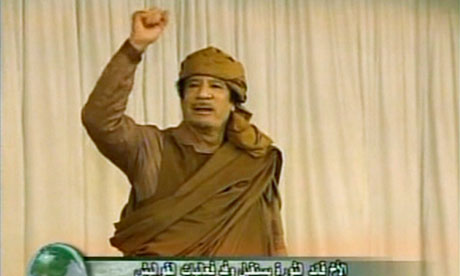
A still from footage of Muammar Gaddafi during a rally in Nalut. Regime survival has marked the Libyan leader's moves in recent years. Photograph: Reuters TV
Libya's official name is the Jamahiriya, or "state of the masses", but 41 years after seizing power, a defiant Muammar Gaddafi still rules through secretive decision-making and as a family enterprise in which his sons play leading roles.
Now facing the worst unrest since the revolution, Gaddafi's moves are as opaque as ever. Amid feverish speculation about the future, everything he has ever done suggests he will not relinquish power voluntarily. "We will all die on Libyan soil," sources close to his family told the Saudi paper al-Sharq al-Awsat.
According to unconfirmed reports the repression in Benghazi in eastern Libya is being led by his son Khamis, the Russian-trained commander of an elite special forces unit. Another son, Saadi, is there too, with Abdullah al-Senussi, veteran head of military intelligence.
Last Friday Gaddafi appeared briefly in central Tripoli to cheers from supporters but has not spoken in public or left the heavily-guarded Bab al-Aziziya barracks in the centre of the capital – the target of a US bombing raid in 1986.
The crushing of protests in Benghazi and elsewhere bears the hallmark of his instinctive brutality when faced with challenges to his rule, analysts say.
In the 1980s he sent hit squads to murder exiled "stray dogs" who challenged the revolution. Islamist rebels at home were crushed in the 1990s and in 1996 1,000 prisoners were gunned down in an infamous prison massacre.
"For Gaddafi it's kill or be killed," said opposition writer Ashour Shamis. "Now he's gone straight for the kill."
The uprisings in neighbouring countries do not appear to have shaken his resolve to stay in power. He sent messages of support to Tunisia's Zine al-Abdine Ben Ali and to Egypt's Hosni Mubarak before they stepped down.
Regime survival has marked Gaddafi's moves in recent years – from the handover of the Lockerbie bombing suspects to the surrender of his WMD programme after the invasion of Iraq in 2003. No-one expects him to give up peacefully. He may make gestures such as promising closer consultation or boosting investment in housing and social services, but that seems unlikely to satisfy protesters after such brutality towards ordinary Libyans.
"Gaddafi will find it hard to make concessions in order to survive," said Sir Richard Dalton, a former British ambassador to Libya. "The attitude of the regime is that it's all or nothing."
Another key question is whether the condemnation of western friends will have any effect. Libya's warning to the EU that it will halt cooperation over illegal immigration suggests it will not.
Power in Libya is devolved in some areas to popular committees and there is sometimes talk of dramatic restructuring of government. But all key policy areas – defence, foreign affairs, and security – are firmly in Gaddafi's hands.
Like Mubarak, the Libyan leader has no designated successor. Gaddafi's advice is likely to be coming from his son Muatassim, his national security adviser and leading contender to succeed him. Two years ago Muatassim tried to set up another special unit to rival the one commanded by Khamis.
In recent months both have seemed more powerful than another brother, the reformist Saif al-Islam. Saif focused on civil society and political and economic reform but has taken a back seat in the face of opposition from the old guard and the revolutionary committees. "Creating the appearance of useful employment for Gaddafi's offspring has been an important objective for the regime," reported the US ambassador in a cable released by WikiLeaks.
Other sons have embarrassed their father. Saadi is notoriously ill-behaved, with a record of scuffles with police in Europe, abuse of drugs and alcohol. Hannibal's misbehaviour in Geneva caused a long rupture in Swiss-Libyan relations.
"Gaddafi is a complicated individual who has managed to stay in power for 40 years through a skilful balancing of interests and realpolitik methods," commented the former US ambassador Gene Cretz. Libya's current crisis looks like Gaddafi's biggest challenge yet.
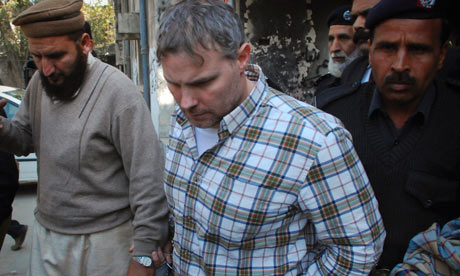
Raymond Davis, held in Pakistan on double murder charges for a shooting in Lahore last month, is employed by the CIA as a contractor. Photograph: Reuters
US officials have provided fresh details about Raymond Davis, the CIAagent at the centre of a diplomatic stand-off in Pakistan, including confirmation that he had worked for the private security contractor Xe, formerly known as Blackwater. They also disclosed for the first time that he had been providing security for a CIA team tracking militants.
Davis was attached to the CIA's Global Response Staff, whose duties include protecting case officers when they meet with sources. He was familiarising himself with a sensitive area of Lahore on the day he shot dead two Pakistanis.
The New York Times, Washington Post, Associated Press and other media outlets reported for the first time that Davis is a CIA employee. They said they had been aware of his status but kept it under wraps at the request of US officials who said they feared for his safety if involvement with the spy agency was to come out. The officials claimed that he is at risk in the prison in Lahore. The officials released them from their obligation after the Guardian on Sunday reported that Davis was a CIA agent.
Confirmation that he worked for Xe could prove even more problematic than working for the CIA, given the extent of hatred towards Blackwater, whose staff have gained a reputation in Pakistan as trigger-happy. For Pakistanis the word "Blackwater" has become a byword for covert American operations targeting the country's nuclear capability. Newspaper reports have been filled with lurid reports of lawless operatives roaming the country.
US officials have reiterated their concern about Lahore's Kot Lakhpat jail where Davis is being held, saying he had been moved to a separate section of the prison, that the guards' guns had been taken away from for fear they might kill him, and that detainees had been previously killed by guards. They are also concerned about protesters storming the prison or that he might be poisoned, and that dogs were being used to taste or smell the food for poison.
However, the authorities in Pakistan stressed the stringent measures they have put in place to protect Davis in Kot Lakhpat following angry public rallies in which his effigy was burned and threats from extremist clerics.
PJ Crowley, the US state department spokesman, said: "Obviously, we are concerned about his safety. We have had multiple conversations with the government of Pakistan regarding his current surroundings. They have told us that he is in the safest possible location in Lahore. And clearly, we hold the government of Pakistan fully responsible for his safety."
Surveillance cameras are trained on his cell in an isolation wing, and a ring of paramilitary troops are posted outside. About 25 jihadi prisoners have been transferred to other facilities.
The revelations about Davis will complicate further the impasse between the US and Pakistan. Washington says he has diplomatic immunity and should be released but the Pakistan government is in a bind, facing the danger of a public backlash if it complies.
Until Sunday, the US had said Davis was a diplomat, doing technical and administrative work at the embassy. It says that because he has diplomatic immunity, he should be released immediately.
The Pakistani prime minister, Yousaf Raza Gilani, told parliament on Monday he would safeguard the country's "sovereignty and dignity" as it sought to resolve the diplomatic impasse with the US. "We are firmly resolved to adopt a course that accords with the dictates of justice and the rule of law. My government will not compromise on Pakistan's sovereignty and dignity," said Gilani.
The Obama administration is exerting fierce pressure on Pakistan to release Davis. But President Asif Ali Zardari's government, faced with a wave of public outrage, has prevaricated on the issue, and says it cannot decide on immunity issue until 14 March. For many Pakistanis the case has come to represent their difficult relationship with the US, in which multibillion dollar aid packages are mingled with covert activities targeting Islamist extremists.
Davis is currently on Pakistan's "exit control list", meaning he cannot leave the country without permission. But the two men who came to his rescue in a jeep that knocked over and killed a motorcyclist are believed to have already fled the country. Davis claimed to be acting in self-defence, firing on a pair of suspected robbers. But eyebrows were raised when it emerged that he shot the men 10 times, one as he fled the scene.
Pakistani prosecutors say Davis used excessive force and have charged him with two counts of murder and one of illegal possession of a Glock 9mm pistol. There have also been claims that the dead men were working for the Inter-Services Intelligence (ISI) agency, with orders to follow Davis.
The military spy agency cooperates with the CIA in its tribal belt drone programme, but resents US intelligence collection elsewhere in the country.In spite of the lurid conspiracy tales in Pakistan about Blackwater, US officials say that in reality Blackwater has had two major contracts in Pakistan - loading missiles onto CIA drones at the secret Shamsi airbase in Balochistan, and supervising the construction of a police training facility in Peshawar. The Davis furore has not, however, stopped the controversial drone strike programme. News emerged of a fresh attack on a militant target in South Waziristan, the first in nearly one month. Pakistani intelligence officials told AP that foreigners were among the dead including three people from Turkmenistan and two Arabs.
Rocky relations
The CIA and Pakistan's ISI have long had a rocky relationship. It started in the 1980s jihad, when the ISI funnelled billions of dollars in CIA-funded weapons to anti-Soviet rebels in Afghanistan.
But the two fell out in 2001 over CIA accusations that the ISI was playing a "double game" – attacking some Islamist militants while secretly supporting others.
In August 2008 the CIA deputy chief, Stephen Kappes, flew to Islamabad with evidence suggesting the ISI plotted the attack on the Indian embassy in Kabul that killed 54 people. The ISI, in turn, complained that the US came with unrealistic expectations and an aggressive attitude.
Yet at the same time the agencies co-operated closely, mostly on the CIA drone campaign against al-Qaida militants along the Afghan border.
In 2009 the ISI praised the CIA for killing the Pakistani Taliban leader Baitullah Mehsud. But recently things soured again. Last December the CIA station chief was forced to quit Pakistan after being publicly identified (US officials blamed an ISI leak); while Pakistani spies were angered that their chief, General Shuja Pasha, was named in a US lawsuit brought in a New York court by victims of the 2008 Mumbai attacks.